-
 Drought grips the Four Corners as reservoir levels fall, farmland values rise and rural communities confront new demands on limited water supplies.
 -
 Hotter days can strain household budgets and public-health systems. Here’s what Montezuma County residents should know about cooling access, electric bills and local heat response.
 -
 Millions of Coloradans remain under strict water restrictions because of historic drought. Failing to conserve could mean empty reservoirs, and even harsher restrictions.
 -
 Grand Canyon National Park has issued a warning that, because of extreme heat, people should not hike below the rim between 10 a.m. and 4 p.m.
 -
 A spring storm is bringing widespread rain, cooler temperatures, mountain snow, and possible freezing overnight lows across the Four Corners region this week.
 -
Hot, dry, and windy conditions bring critical fire danger to western Colorado today, with Red Flag Warnings in effect. Cooler temperatures, rain, and mountain snow arrive Tuesday.
-
Warm, breezy weather continues across the Four Corners with highs well above normal. Snowpack remains low at about 54% of median.
-
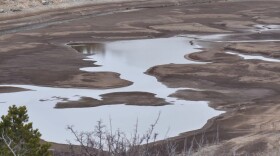 A little more than an inch of precipitation fell on Cortez in February. And about three dozen people convened in Cortez’s Veterans Park on Sunday for what was called an Angry Knit-In.
 -
La Niña remains in place but is expected to fade by spring, shifting to ENSO-neutral conditions that could bring more typical precipitation to the Four Corners.
-
An unusually warm and dry January has pushed much of the western U.S. into one of the worst snow droughts in decades, with record-low snowpack raising concerns for water supplies and wildfire risk.

© 2025 KSJD

Ideas. Stories. Community.
Play Live Radio
Next Up:
0:00
0:00
Available On Air Stations


