-
 Flooding and evacuations are taking place in San Juan County, N.M.
 -
 The American Red Cross of Western Colorado has opened evacuation shelters at the La Plata County Fairgrounds, 2500 Main Ave., Durango, Colo., and the Pagosa Lakes Property HOA Clubhouse, 230 Port Ave., Pagosa Springs, Colo., following extreme, fast flooding and mandatory evacuations.
 -
 Ferris Fire officials say crews are shifting from active suppression to mop-up and suppression repair. Forest Service and BLM closures remain in place, and officials warn burned areas will have new hazards when they reopen.
 -
 Officials say wetter weather is helping moderate fire behavior, but thunderstorms may still bring lightning, heavy rain and erratic winds.
 -
 Thunderstorms and higher humidity are helping moderate fire behavior on the Babylon and Ferris fires, but officials say lightning, outflow winds and debris flows remain possible.
 -
 President Trump is expected to reduce Bears Ears and Grand Staircase-Escalante National Monuments. Conservation groups are preparing legal challenges, while Dolores County has reduced some Ferris Fire evacuation levels.
 -
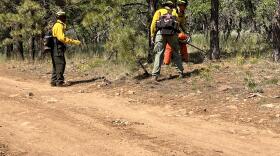 The Babylon Fire southwest of Monticello is 103,633 acres and 25% contained. Officials say crews are focused on the fire’s eastern edge, where layers of defense are being built west of town.
 -
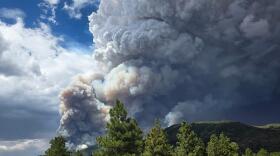 The Babylon Fire southwest of Monticello is about 102,900 acres and 21% contained. Crews are prioritizing the Indian Creek and Twin Peaks area after active overnight burning.
 -
 The Ferris Fire northwest of Dolores is more than 56,000 acres and 22% contained. At a Dove Creek meeting, officials explained how steep terrain, dry fuels, weather and limited access are shaping the firefighting strategy.
 -
 The Ferris Fire northwest of Dolores is about 51,000 acres and 21% contained. Fire activity has increased in Dolores River Canyon, and Dolores County has added Zones 13 and 14 to SET status.

© 2025 KSJD

Ideas. Stories. Community.
Play Live Radio
Next Up:
0:00
0:00
Available On Air Stations


