-
 The town of Mancos is issuing citations as mandatory watering restrictions continue amid drought and heavy demand on the town’s water system.
 -
 Four Corners producers prepare for possible El Niño impacts, persistent drought, cattle-market uncertainty and an upcoming agritourism workshop in Cortez.
 -
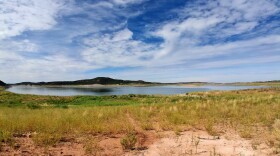 Monsoon storms have improved short-term moisture in southwest Colorado, but McPhee Reservoir remains low and irrigators face major shortages heading into fall.
 -
Farmers and ranchers face rising debt, high input costs, weaker exports and drought as Colorado’s rural economy slows and Colorado River supplies remain strained.
-
 Monsoon storms have improved surface moisture in southwest Colorado, but low streamflows, dry deeper soils and weak snowpack impacts remain.
 -
 Millions of Coloradans remain under strict water restrictions because of historic drought. Failing to conserve could mean empty reservoirs, and even harsher restrictions.
 -
A transition from one water supplier to another in the town of Dove Creek is reportedly proceeding smoothly, However, the town hall remains closed because of anger and threats directed at staff over major price hikes caused by the change.
-
 Drought conditions in Cortez worsened after a warm, dry winter. Forecasters say drought is likely to persist across the West through spring.
 -
Colorado Parks and Wildlife has begun selling 2026–2027 fishing licenses and is inviting anglers to a public meeting in Granby as regional snowpack sits well below average.
-
 Below average snowfall this year is hurting the ski industry's bottom line in the Rocky Mountains, as resorts work to get guests on the slope with less snow. CSU Professor Michael Childers says this should prompt long-term thinking about climate change and the ski industry.

© 2025 KSJD

Ideas. Stories. Community.
Play Live Radio
Next Up:
0:00
0:00
Available On Air Stations


