-
 Farmers face projected crop losses, higher diesel costs and persistent drought, while states debate foreign ownership of agricultural land and Colorado officials address produce safety.
 -
 Drought still has the Four Corners in its fiery grip, but forecasters are hopeful that a good monsoon season may be coming.
 -
Because of an enforcement order issued by the state, the Town of Dove Creek soon will be getting its water from a new source. That decision has led to a price increase that made some town residents so angry that the Town Hall has closed because of threats to staff.
-
Grand Canyon National Park has issued a warning that, because of extreme heat, people should not hike below the rim between 10 a.m. and 4 p.m.
-
How dry is it in the Four Corners? Statistics give the answer.
-
 Traditional forms of therapy don't work for everyone. Carbondale-based nonprofit WindWalkers offers horse-assisted services to fill that gap. This story is part of our "On the Ground" radio series, which highlights solutions to local and global issues from Roaring Fork and Colorado River valley organizations.
 -
 After a record warm and dry winter, ranchers and farmers brace for a challenging summer.
 -
 A new outlook warns of increased wildfire risk across Colorado and the West, driven by drought, low snowpack, and a warm, dry winter.
 -
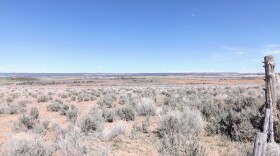 Dryland farmers near Dove Creek face wind, wildlife, and rising costs as spring planting begins, despite better-than-expected soil moisture.
 -
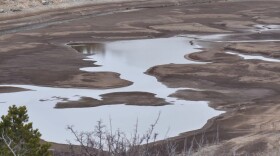 A little more than an inch of precipitation fell on Cortez in February. And about three dozen people convened in Cortez’s Veterans Park on Sunday for what was called an Angry Knit-In.

© 2025 KSJD

Ideas. Stories. Community.
Play Live Radio
Next Up:
0:00
0:00
Available On Air Stations


