-
 Trees rely on water to perform their most basic functions, and by shutting down for winter earlier, they can conserve water… but that means fall colors arriving earlier.
 -
 The town of Mancos is issuing citations as mandatory watering restrictions continue amid drought and heavy demand on the town’s water system.
 -
Colorado Sen. John Hickenlooper would like to see a new political party called the Agriculture First Party. That was one of the comments he made on a hot Thursday afternoon at an overlook to McPhee Reservoir.
-
 Four Corners producers prepare for possible El Niño impacts, persistent drought, cattle-market uncertainty and an upcoming agritourism workshop in Cortez.
 -
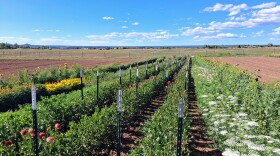 Southwest Colorado farmers are navigating an unusual harvest season after low snowpack, March heat, April freezes and sharply limited irrigation water.
 -
Monsoon rains have so far delivered little help with moisture across the region.
-
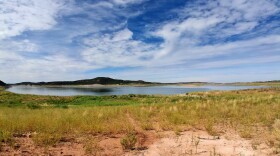 Monsoon storms have improved short-term moisture in southwest Colorado, but McPhee Reservoir remains low and irrigators face major shortages heading into fall.
 -
 Montezuma-Cortez has adopted specific indoor-temperature thresholds as it manages aging elementary school cooling systems, while Mancos coaches are modifying outdoor practices to reduce heat-related risks.
 -
Farmers and ranchers face rising debt, high input costs, weaker exports and drought as Colorado’s rural economy slows and Colorado River supplies remain strained.
-
Extreme drought, limited irrigation water and rising production costs are reducing crop yields as Southwest Colorado enters harvest season.

© 2025 KSJD

Ideas. Stories. Community.
Play Live Radio
Next Up:
0:00
0:00
Available On Air Stations


