-
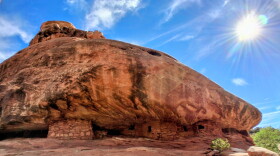 The Bureau of Land Management says few immediate changes will be visible as the agency begins developing a replacement management plan.
 -
 Ferris Fire officials say crews are shifting from active suppression to mop-up and suppression repair. Forest Service and BLM closures remain in place, and officials warn burned areas will have new hazards when they reopen.
 -
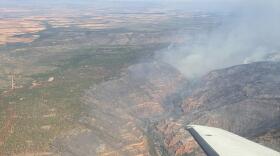 As the Ferris Fire burns through Dolores River Canyon, local river advocates are raising concerns about old-growth ponderosa pines, low flows, native fish, sediment, recreation access and long-term ecological impacts.
 -
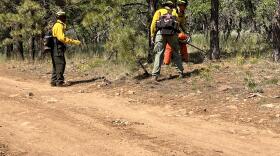 The Babylon Fire southwest of Monticello is 103,633 acres and 25% contained. Officials say crews are focused on the fire’s eastern edge, where layers of defense are being built west of town.
 -
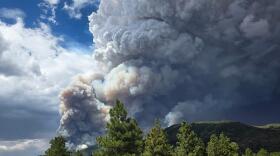 The Babylon Fire southwest of Monticello is about 102,900 acres and 21% contained. Crews are prioritizing the Indian Creek and Twin Peaks area after active overnight burning.
 -
 The Ferris Fire northwest of Dolores is more than 56,000 acres and 22% contained. At a Dove Creek meeting, officials explained how steep terrain, dry fuels, weather and limited access are shaping the firefighting strategy.
 -
 The Ferris Fire northwest of Dolores is about 51,000 acres and 21% contained. Fire activity has increased in Dolores River Canyon, and Dolores County has added Zones 13 and 14 to SET status.
 -
 Experts on public lands and wildfires are voicing concern about how budget cuts to federal agencies will affect firefighting during the approaching fire season.
 -
 A congressional resolution could roll back 2025 management rules for Grand Staircase–Escalante National Monument, sparking debate over land use and conservation.
 -
Critics of Utah’s Grand Staircase-Escalante National Monument may employ a rarely used law to dramatically change how the monument is managed.

© 2025 KSJD

Ideas. Stories. Community.
Play Live Radio
Next Up:
0:00
0:00
Available On Air Stations


