-
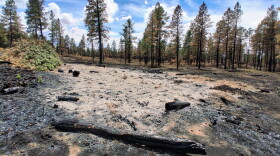 Post-fire specialists are assessing soil damage, debris flows and watershed risks after the Ferris Fire, as parts of the burned landscape begin to recover.
 -
 Colorado Sen. John Hickenlooper would like to see a new political party called the Agriculture First Party. That was one of the comments he made on a hot Thursday afternoon at an overlook to McPhee Reservoir.
 -
 Ferris Fire officials say crews are shifting from active suppression to mop-up and suppression repair. Forest Service and BLM closures remain in place, and officials warn burned areas will have new hazards when they reopen.
 -
 Officials say wetter weather is helping moderate fire behavior, but thunderstorms may still bring lightning, heavy rain and erratic winds.
 -
 Thunderstorms and higher humidity are helping moderate fire behavior on the Babylon and Ferris fires, but officials say lightning, outflow winds and debris flows remain possible.
 -
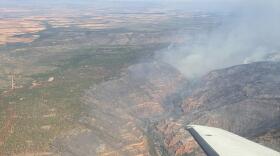 As the Ferris Fire burns through Dolores River Canyon, local river advocates are raising concerns about old-growth ponderosa pines, low flows, native fish, sediment, recreation access and long-term ecological impacts.
 -
 The Ferris Fire northwest of Dolores is more than 56,000 acres and 22% contained. At a Dove Creek meeting, officials explained how steep terrain, dry fuels, weather and limited access are shaping the firefighting strategy.
 -
 The Ferris Fire northwest of Dolores is about 51,000 acres and 21% contained. Fire activity has increased in Dolores River Canyon, and Dolores County has added Zones 13 and 14 to SET status.
 -
 Local officials and watershed groups say wildfire preparedness in southwest Colorado includes emergency alerts, evacuation planning, defensible space, forest health and post-fire watershed risks.
 -
 The Dolores Watersheds Collaborative is developing a Wildfire Ready Action Plan to identify post-fire flooding, erosion and sedimentation risks in the upper Dolores River watershed.

© 2025 KSJD

Ideas. Stories. Community.
Play Live Radio
Next Up:
0:00
0:00
Available On Air Stations


