-
 Farmers and ranchers face new economic pressure from tariffs, rising diesel prices and a proposed increase in tariff-free beef imports as fall harvest approaches.
 -
This week’s Farm News & Views Report covers fertilizer price volatility, possible new federal farm payments and rancher concerns about labor shortages in responding to New World screwworm.
-
 Municipal supplies are protected, but Dolores Water Conservancy District says full-service supplies out of McPhee Reservoir are at extreme shortages this year.
 -
 Traditional forms of therapy don't work for everyone. Carbondale-based nonprofit WindWalkers offers horse-assisted services to fill that gap. This story is part of our "On the Ground" radio series, which highlights solutions to local and global issues from Roaring Fork and Colorado River valley organizations.
 -
Bob Bragg’s Farm News & Views Report looks at how drought, high input costs, low commodity prices and rising financial pressure are affecting farmers and ranchers in the Four Corners and across the U.S.
-
 After a record warm and dry winter, ranchers and farmers brace for a challenging summer.
 -
This week’s Farm News and Views examines worsening drought across western rangelands, rising diesel prices, beef import concerns, and new satellite-based virtual fencing technology for ranchers.
-
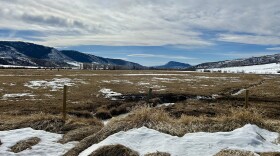 The Fetcher ranch in northwest Colorado is on the frontlines this year of record-low snowpack across the West. It's adding a sense of urgency among seven states to finalize a plan for how to conserve the dwindling Colorado River.
 -
 State funding supports weed control efforts to protect farms, habitat and water.
 -
 Facing the prospect of a pause in additional wolves, wolf advocates say Colorado should add new protections for its existing population of less than 50 wolves.

© 2025 KSJD

Ideas. Stories. Community.
Play Live Radio
Next Up:
0:00
0:00
Available On Air Stations


