-
 Farmers and ranchers face new economic pressure from tariffs, rising diesel prices and a proposed increase in tariff-free beef imports as fall harvest approaches.
 -
Four Corners producers prepare for possible El Niño impacts, persistent drought, cattle-market uncertainty and an upcoming agritourism workshop in Cortez.
-
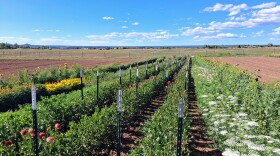 Southwest Colorado farmers are navigating an unusual harvest season after low snowpack, March heat, April freezes and sharply limited irrigation water.
 -
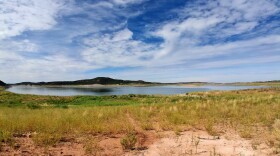 Monsoon storms have improved short-term moisture in southwest Colorado, but McPhee Reservoir remains low and irrigators face major shortages heading into fall.
 -
Farmers and ranchers face rising debt, high input costs, weaker exports and drought as Colorado’s rural economy slows and Colorado River supplies remain strained.
-
 Extreme drought, limited irrigation water and rising production costs are reducing crop yields as Southwest Colorado enters harvest season.
 -
Farmers face projected crop losses, higher diesel costs and persistent drought, while states debate foreign ownership of agricultural land and Colorado officials address produce safety.
-
Drought grips the Four Corners as reservoir levels fall, farmland values rise and rural communities confront new demands on limited water supplies.
-
 Montezuma County is preparing to expand its composting program as a new food scrap collection service helps divert organic waste from the landfill and build healthier soils.
 -
 One of Colorado's most productive peach farmers is preparing for the possibility that irrigation water may be turned off before the harvest is finished.

© 2025 KSJD

Ideas. Stories. Community.
Play Live Radio
Next Up:
0:00
0:00
Available On Air Stations


